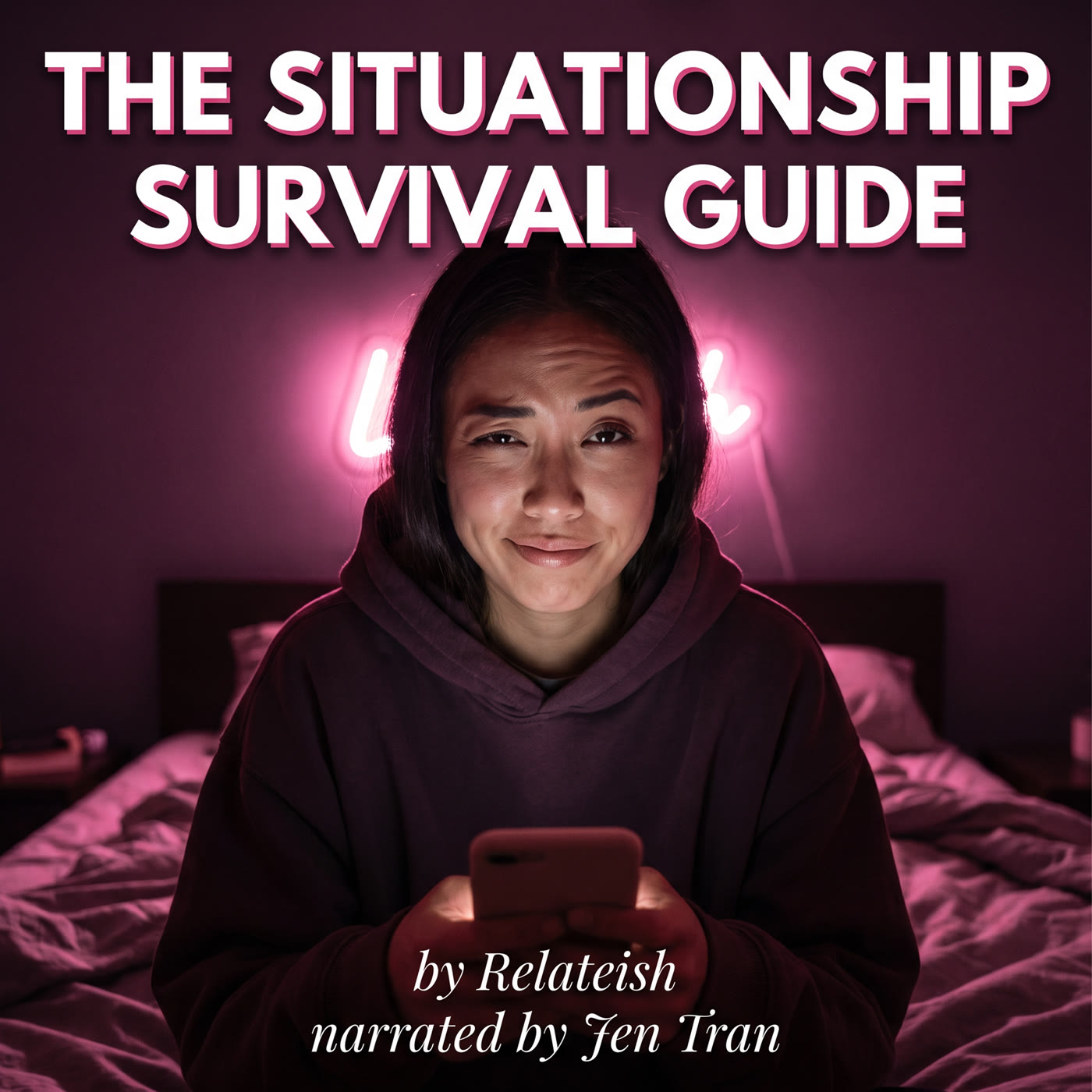
It's been three weeks since you last saw them. In that time you've had: four story views, two likes, one haha so true on a meme you sent, and a message on Thursday night that said we should hang out soon 👀. You replied within a minute with three possible days. They didn't reply.
You're not together. You're not not together. Every time you decide to let it go, a little something arrives, just enough to make you wonder. That's breadcrumbing.
What breadcrumbing is
Breadcrumbing is sending someone just enough attention to keep them interested, without any real intention of moving things forward. The crumbs are small and cheap: a like, a story view, a hey you, a late-night message, a vague we should do something. They keep the door open. They never lead anywhere.
It can be deliberate: someone keeping you as an option while they look elsewhere. Often it's less calculated than that. Some people like the feeling of being liked, or keep lots of loose connections out of habit, or genuinely can't decide and avoid deciding by never quite showing up. From where you're standing, the effect is the same.
A crumb costs them almost nothing. Waiting for the next one can cost you months.
Why a few crumbs can hold you for so long
If it's so obviously not enough, why is it so hard to walk away? Because unpredictable attention is one of the most gripping things a nervous system can experience.
A reward that arrives every time is pleasant and easy to put down. A reward that arrives sometimes, at random, is far more compelling. That's how slot machines work, and it's how breadcrumbing works. You never know when the next message will come, so you keep checking. When it does come, the relief is so strong it feels like attraction. And it resets the clock on giving up.
There's also hope doing a lot of the work. Each crumb is real, which is what makes it so effective. They really did like your photo. They really did say we should hang out. You're not imagining things. You're collecting genuine evidence, and every piece of it is evidence of being thought about, not of being chosen.
The signs
You're probably being breadcrumbed if:
- Contact is frequent but shallow: likes, views, reactions, one-liners, rarely real conversation.
- Plans are always vague. Soon. Sometime. When things calm down. When you suggest a specific day, it goes quiet.
- They reappear just as you've started to move on.
- Most messages arrive late at night or when they're bored.
- You know very little about their actual life, and they ask little about yours.
- After weeks or months, nothing has moved: same distance, same vagueness, same crumbs.
Stop decoding, start counting
When someone is giving you crumbs, it's very tempting to decode each one. What did that emoji mean? Why view my story but not reply? Did "soon" mean this week? It feels like work. It gets you nowhere, because the answer isn't hidden in any single message.
The answer is in the pattern. So ask the question that cuts through it: what keeps happening? Then answer it in plain, boring language, as if you were describing a stranger. For two months they've liked my posts, messaged a few times late at night, and suggested meeting four times without ever setting a day.
That sentence is the whole truth. You don't need to know what they feel deep down. You can't be held by a feeling, only by someone who keeps showing up.
One clear request
If you'd like to give it one fair chance, make one clear, specific request, once. Not a speech, not an accusation. Something like:
I'd love to see you. Are you free Saturday or Sunday afternoon?
Then watch what happens. Someone who's interested will pick a time, or offer another. Someone breadcrumbing will be vague, or warm and noncommittal, or quiet, and then a week later, a story view.
You don't need to ask twice. Their answer to a real plan tells you more than a hundred crumbs.
How to stop living on crumbs
- Stop replying instantly to crumbs. You don't have to be cold. You just don't have to drop everything for a hey you at 11pm.
- Match their effort. If they send a like, you don't owe a paragraph.
- Mute them. Out of sight, the crumbs lose most of their power over you.
- Notice how you feel after contact. Steadier, or more anxious and preoccupied? That's data.
- Make room for people who show up. It's very hard to notice someone consistent while you're busy waiting for someone who isn't.
- Say a clear goodbye if you need one. I'm looking for something more than this, so I'm going to step back. Take care. Then mean it.
The hardest part is the first week, when a crumb arrives and you don't jump. After that it gets easier, and one day you'll notice you didn't check.
If you're the one sending crumbs
It's worth asking honestly, because most of us have done a version of it. Keeping an ex in your story views. Liking the posts of someone you know you'll never date, because their attention feels nice. Replying we should catch up! to someone you have no plan to catch up with.
It usually isn't cruelty. It's a way of keeping options open, or enjoying being liked, without having to decide anything. But to the person on the other end, each crumb restarts their hope. If you know you're not going to move things forward, the kind thing is to stop feeding it, or to say so plainly once. A clear I don't think this is going anywhere, but I've enjoyed talking to you costs a moment of awkwardness and saves someone months of wondering.
Mixed Signals Are a Signal is all about this cycle: why inconsistency feels like chemistry, the decoding trap, a short log that shows you the pattern, the one clear request, and how to decide what you actually want.