Twenty minutes in, you can feel the date turning into a job interview. What do you do? Where did you grow up? Any siblings? They answer each one politely. Then a silence lands, your stomach drops, and you fill it with a long story about why you moved cities, plus a quick apology for talking so much.
Nothing has gone wrong. There's just an easier shape for the conversation. Good first date talk is a rhythm: ask something, follow up on the answer, then share a little of your own. It's turn-taking, not a quiz. Silences are normal, and you don't have to rescue them.
What's the rhythm of a good first date conversation?
There are three beats, and they repeat.
- Ask. Start with something open and easy, like what's been the best part of your week?
- Follow up. Pick up one detail from the answer. They say they finally painted their kitchen, and you ask what made you finally do it? or what color did you pick?
- Share. Add a small piece of your own. I've been avoiding painting my bathroom for two years. Then the conversation is theirs again.
The follow-up is the beat people skip, and it's the one that matters most. It tells the other person you actually heard them. A list of fresh questions says next. A follow-up says I'm still with you.
Some practical pointers:
- Follow the energy. Pick up the part they said with a spark, or the throwaway detail they tossed in.
- Prefer how and what was that like questions over yes-or-no ones. If you want a few to keep in your pocket, the free first date question cards are made for this.
- Listen for common ground. You find it by following up, not by announcing your own interests. When they mention something you share, say so and let it grow.
- Keep turns roughly even. No stopwatch needed. If you've been talking for a full minute without a breath, hand it back.
- Wait a beat before you speak. Most interrupting is just nerves racing ahead. A one-second pause after they finish keeps you from cutting them off, and it shows you were listening.
- Keep humor kind. Be playful about the situation, the menu, your own mishaps. Skip teasing them until you know how they take it.
Flirting fits into the same rhythm. It's mostly attention: eye contact, warmth, noticing something specific about them and saying so lightly.
What do you do when there's a silence?
A three-second pause feels like ten when you're nervous. Usually it means they're thinking, chewing, or taking something in. It doesn't mean the date is dying.
Try one of these:
- Take a sip, smile, and let it breathe. A pause you aren't panicking about reads as comfort.
- Say what's in front of you. These fries are unreasonably good.
- Go back to an earlier thread. You mentioned the kitchen earlier. Is it finished?
What not to do is apologize for the silence or explain it. Sorry, I'm awkward, I get weird when I'm nervous turns a normal pause into an event.
If you tend to freeze at a table, pick a date with something to do. A walk, a market, a game. There's always something to comment on, and quiet feels natural when you're both doing something. The free first date idea finder has plenty of low-pressure options, including playful ones.
How do you share about yourself without oversharing or talking too much?
A good small story has three parts: the headline, one or two details, and a landing. I once got locked out of my apartment in a towel. A neighbor let me in. We're friends now. Then stop, and let them react.
Talking too much on a first date is rarely about having too much to say. It's about trying to manage how you'll be seen. You justify (I'm not usually this busy, it's just this month). You pre-empt (I know this sounds silly, but). You explain a story three times to make sure it landed. That's the overexplaining habit, and it shows up on dates as long answers and small apologies.
One quick check from the book: imagine they hear your story and reply with just okay. If that feels fine, you were sharing. If it makes you want to say more, the story was for your nerves, not for them. Another good habit is knowing the one sentence you actually want them to take away. Say that one, and the rest can go.
Oversharing is a slightly different thing. It's heavy material before there's trust: the full ex saga, money panic, family conflict, a health scare. Nothing is wrong with you for having these things. They just don't need to come out on the first night. A decent rule is to share at the size the connection is today.
You don't need to give them your whole case on the first night. A small true thing, said once, is plenty.
If you notice you've gone too deep, you can pull back kindly and without a big apology. I'll save the long version for another time. Tell me about your week. Say it once, lightly, and move on.
What if they only talk about themselves, or barely talk at all?
Start by giving it some grace. Nerves make some people ramble and others go quiet. Don't compensate by pouring out words to fill the gap.
If they're a talker, jump in with a short story of your own at a natural pause. Then ask them something. Watch what happens over the evening. If you share and they never ask you a single thing back, that's information about how the relationship might feel, not a failure of your delivery. You don't have to audition for their curiosity.
If they're quiet, make your questions smaller and easier to answer. What's the last thing that made you laugh? works better than tell me about yourself. Add a little story to the question so they have something to build on. And let them have their pauses. A quiet person isn't a bored person, necessarily.
One firm caution. If anyone is pushy, dismissive, makes you uncomfortable, or pressures you to stay, you can leave. You never owe a date your time, and ending the evening early is always fine.
How do you listen so they feel heard?
Most people can feel the difference between being heard and being waited out. A few things help:
- Put your phone away. Not just face-down on the table. In your bag or pocket.
- Look at them while they talk, with a normal amount of eye contact. Look away sometimes. Staring is not listening.
- React in small ways. A nod, a laugh, an oh really?
- Stop rehearsing your next line. If you're composing a reply while they speak, you'll miss the best follow-up.
- Reflect a detail back. Wait, your sister's the one who lives in Denver?
If you want to remember details later, choose one or two that matter to them, like a friend's name, a project, a dog, and use them later in the evening or in your next text. People feel known when you do that, and you don't need to memorize the whole night.
The point of all of it is to be present with one person for a couple of hours. The rhythm will come once you stop trying to manage how you're coming across.
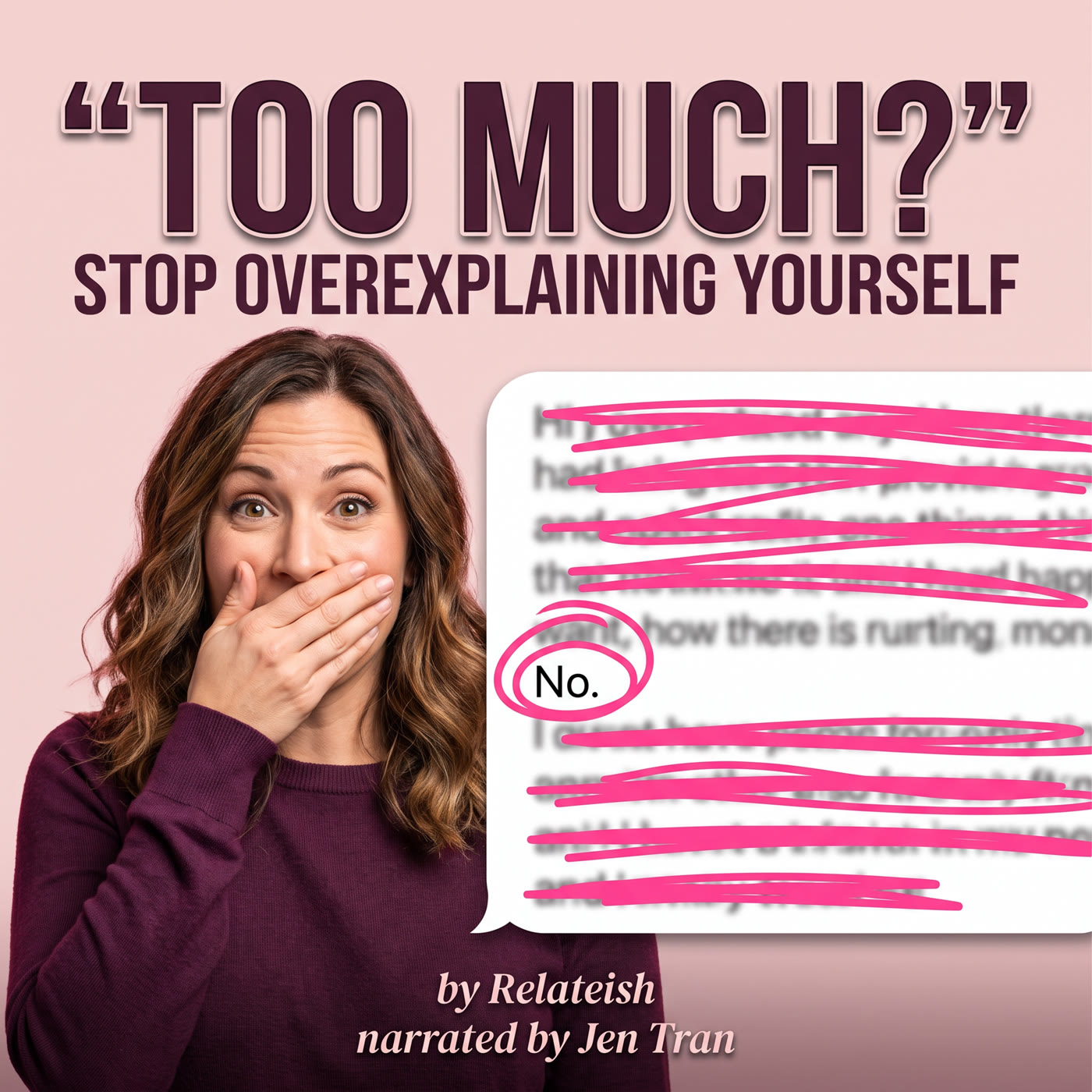
The habit underneath a lot of first date anxiety, saying too much to be sure you're understood, is exactly what Stop Overexplaining Yourself is about. The book covers where that habit comes from, why more words tend to make you less believed, how to say what you mean in a sentence or two, how to apologize once and cleanly, and how to let a small misunderstanding stand without panic. All of it applies on first dates, and well beyond them.
Questions people ask
Should you bring flowers on a first date?
There's no rule, and it isn't expected. If it feels natural and you'd enjoy giving something small, a simple gesture is fine, but it can add pressure on a casual coffee or drinks meetup. When in doubt, skip it and put that energy into being relaxed and attentive.
Is it okay to compliment someone on a first date?
Yes, as long as it's specific, genuine and light. *I love your laugh* lands better than a long list or a comment about their body. Say it once, then let the conversation move on so they don't feel put on the spot.
How do you respond to a compliment on a first date?
Say thank you, and that's enough. You don't have to deflect, return a compliment immediately, or explain why it isn't true. If you want to add something, a short *that made my day* is plenty.
How do you flirt naturally on a first date?
Flirting is mostly warm attention: steady eye contact, a real smile, noticing something specific about them, and a bit of playfulness. Keep it responsive to how they react. If they lean in, you can too, and if they seem reserved, stay friendly and easy.
How do you handle a disagreement on a first date?
A difference of opinion is fine and can even make the conversation more interesting. Say what you think in a sentence, ask what's behind their view, and don't try to win. If a disagreement feels disrespectful or turns hostile, you can change the subject or end the date.
What's a good way to do banter without teasing too much?
Make the joke about the situation or about yourself, like the terrible menu or your own bad parking, rather than about their quirks. Notice whether they play back. If they do, you can raise the playfulness slowly. If they don't, switch to something warmer.